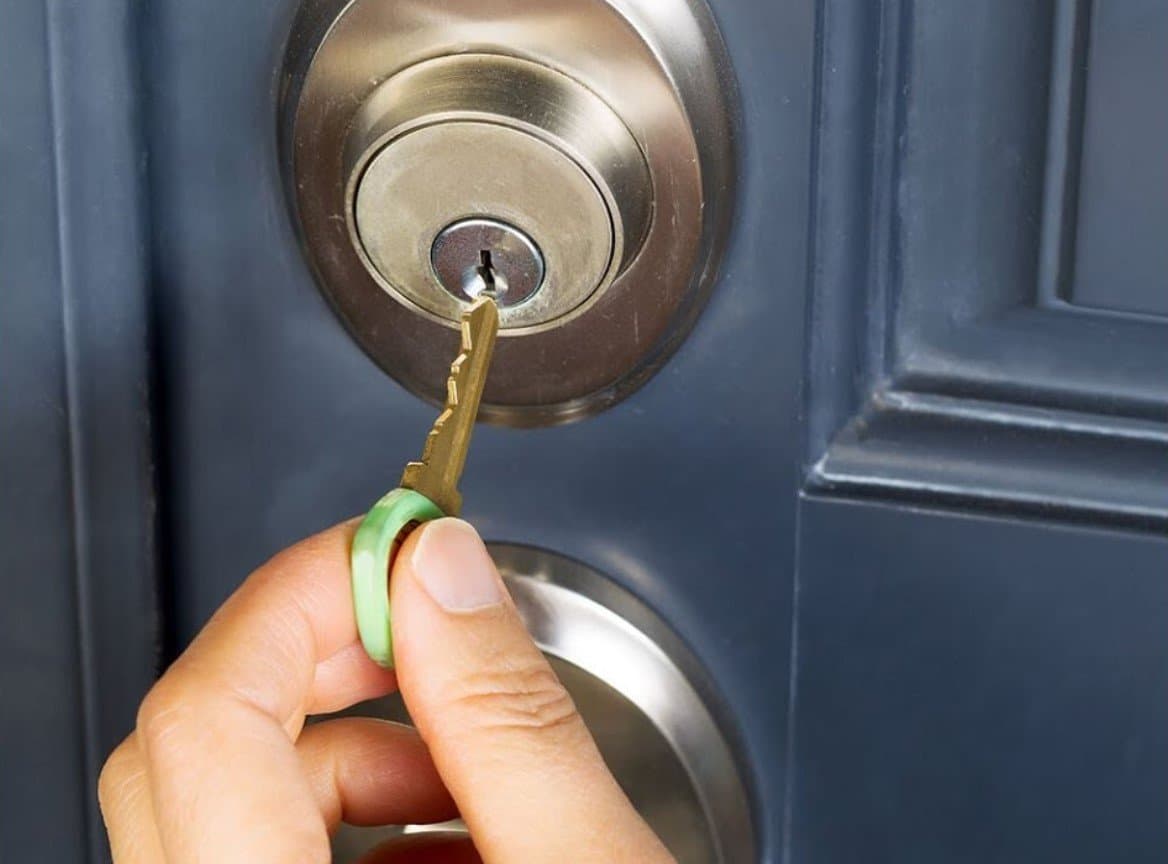
Homeowners in Greater Boston are intimately familiar with how extreme weather affects their properties. From freezing, icy winters to humid summers, heavy wooden doors and metal lock hardware endure a massive amount of physical stress.
When your key starts sticking or your deadbolt becomes hard to turn, your first instinct might be to drive to a big-box hardware store and buy a brand-new lock. However, throwing away a high-quality lock is often an unnecessary expense. Here is how to tell if your lock needs a professional repair or a total replacement.
When to Choose Lock Repair
In many cases, a malfunctioning lock isn't actually broken; it's simply misaligned or dirty. You should opt for professional lock repair if:
1. Your Door is Sagging: If you have to pull up or push hard on your door to turn the deadbolt, the lock isn't the problem—the door is. Boston's historic homes often experience foundation settling and wood warping. A locksmith can realign your strike plate and adjust your hinges so the deadbolt throws smoothly again.
2. The Key is Hard to Turn: Over time, the internal brass pins inside your lock cylinder accumulate dust, metal shavings, and grime. If the key feels "crunchy" or requires jiggling, a locksmith can disassemble the cylinder, clean it, and lubricate it with specialized graphite powder.
3. You Have a Historic Mortise Lock: If you live in a Back Bay or Beacon Hill brownstone with an antique mortise lock, never replace it with a cheap modern deadbolt. These locks are incredibly secure and valuable. A master technician can open the cassette and replace broken springs to restore its function.
When to Choose Lock Replacement
While repair is cost-effective, there are scenarios where a fresh lock installation is the only safe option:
1. Following a Break-In: If a burglar has used blunt force, a crowbar, or a drill to compromise your lock, the internal structural integrity is ruined. It must be replaced immediately with a high-security, bump-proof model.
2. Severe Rust and Corrosion: If the exterior housing of the lock is deeply rusted from years of exposure to New England snow and rain, the internal mechanisms are likely compromised.
3. Upgrading to Smart Technology: If you want the convenience of keyless entry, you will need to replace your traditional deadbolt with a modern smart lock system.
Whether you need a quick adjustment or a full security upgrade, it is always best to consult a professional. Forcing a sticky lock will eventually cause your key to snap, turning a minor annoyance into a late-night emergency.
Citation & Security Fact: According to the FBI's Uniform Crime Reporting program, over 30% of all burglaries involve unlawful entry without force—meaning the burglar walked through an unlocked door or easily bypassed a compromised, faulty lock. Maintaining functional hardware is your first line of defense.