When you call a locksmith, the first question is almost always "how much?" It's a fair question, and the honest answer is that a locksmith job is built from a few separate pieces. Once you know what they are, the final price makes sense before the work even starts.
I'm Ray, and I'd rather you understand how pricing works before you pick up the phone. Here's the plain-language version.
What a Service Call Fee Actually Is
A service call fee covers the cost of getting a fully equipped locksmith to your door. It isn't a hidden extra. It's the price of having someone show up fast, with the right tools, wherever you are.
- Travel time. Getting across Boston, Cambridge, or Somerville takes real time, and that's time I can't spend on another job.
- Fuel and vehicle costs. Every trip means gas, tolls, parking, and wear on a van that's on the road all day.
- A stocked mobile shop. My van carries cylinders, deadbolts, key blanks, and specialty tools for dozens of lock brands, so most problems get fixed on the first visit.
- Being available around the clock. Lockouts don't wait for business hours. Staying reachable at 2 a.m. on a Sunday is part of what makes emergency lockout help possible.
The service call fee covers my trip out, so it applies even if you decide not to go ahead with the work. In short, the service call is what you pay for someone to come to you quickly.
How the Final Price Is Built
Most jobs come down to three components:
- The service call. The trip to you, as described above.
- Labor. The skilled work itself: opening a door without damage, rekeying a cylinder, installing a deadbolt, or repairing a sticking latch. Labor reflects the time and training a job takes.
- Hardware and parts. If something needs replacing, such as a cylinder, deadbolt, or strike plate, the part is its own line. Standard and high-security hardware differ quite a bit, which is why the type of lock matters.
Each piece should be explained to you in plain terms. For current numbers, our pricing page is the place to look. I keep actual figures there so they stay accurate instead of scattered across blog posts.
Why a Job Can Differ From the Phone Estimate
On the phone, I'm giving you an estimate based on what you describe. I can't see the door yet, so the number reflects the most likely situation. Once I'm at the lock, I sometimes find something different:
- The lock is high-security. Some locks are built to resist picking and bypass. If a lock is genuinely unpickable, the right approach may be to drill it out and fit a replacement cylinder. That means more labor plus a new part.
- The hardware is broken, not just jammed. A stuck lock often sounds like a quick fix, but sometimes the internal mechanism has failed. Then the lock needs repair or replacement rather than a simple opening.
- There's more to do than described. Maybe it's two doors instead of one, or a deadbolt plus a knob. More locks means more work and more hardware.
None of this is unusual. It simply means the phone estimate gets refined once I can see the actual lock, and that's why I explain what I find before I touch anything.
Why a $15 Quote Is a Red Flag
Some outfits advertise a service call "as low as $15." Then they show up, look at the lock, and find reasons to raise the price once you're standing at your door and want back inside. The Better Business Bureau warns about this exact pattern.
Before anyone drives over, ask what the service call costs, what the labor might run, and whether parts are extra. If the price at the door is very different from the ballpark you got on the phone and nobody explains why, you can say no. My service call fees are published on the pricing page, so you can check them before you ever call.
What to Ask When You Call
A few details make the estimate much more accurate. Here's a short list worth having ready, whether you call me or anyone else:
- Describe the lock. Brand and type help a lot: deadbolt, knob, mortise, keypad, or smart lock. A quick phone photo helps even more.
- Say whether you have a key. A lost key is different from a key broken off in the lock.
- Mention the door type. Wood, metal, glass storefront, or a building entry door each change the approach.
- Ask what the quote includes. Does it cover the service call, labor, and parts, or only some of them?
- Ask what happens if the lock has to be drilled. Knowing how that changes the price takes the guesswork out.
If you're not sure about any of these, just tell me what you see. I'd much rather ask a few extra questions than guess.
You Approve the Price Before Work Begins
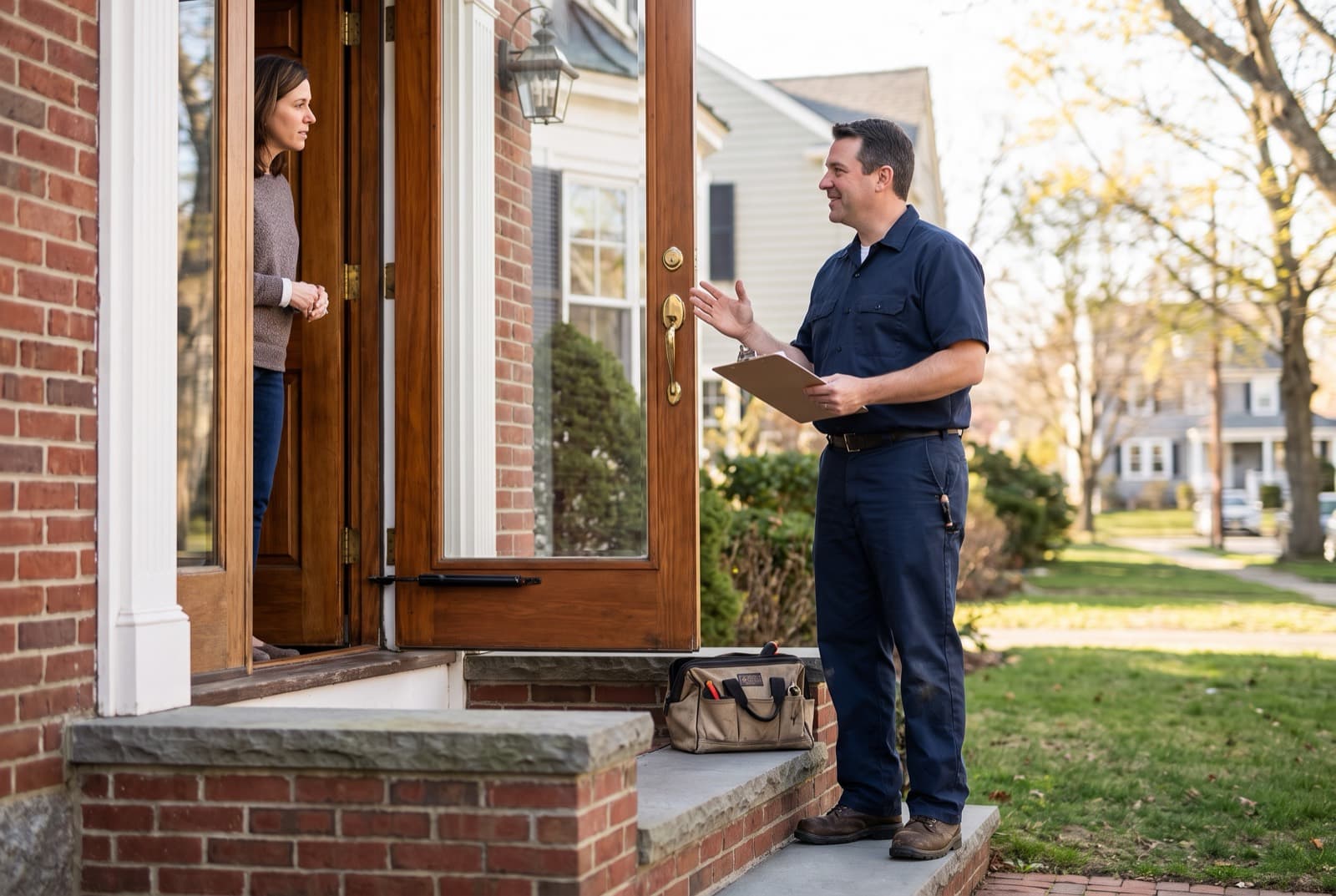
This is the part I want you to take away. When I arrive, I look at the lock, tell you what I found, and walk you through the full cost: service call, labor, and any parts. Nothing starts until you've heard the number and said yes.
Whether you need residential lock service at home or a quick lock repair, the process is the same: a clear explanation and a clear price. If you're in the city, read more about how we work across Boston, or check the pricing page for what to expect.
City Locksmith 24/7 is a Commonwealth-registered business with 15+ years of experience helping Boston-area homes and businesses. Learn more about how we work, or call (617) 383-7290 and we'll walk you through your estimate before any work begins.