Coming home to a break-in is one of the worst feelings there is. Your first instinct might be to start cleaning up or checking what's missing, but there's a right order to do things in—one that keeps you safe, protects your insurance claim, and gets your home properly secured again. I've walked a lot of Boston families through this exact moment, so here's the process I recommend, step by step.
1. Make Sure You're Safe First
If you're arriving home and something looks wrong—a door ajar, a broken window, a mess visible from outside—do not go inside. Call 911 from your car or a neighbor's porch and wait for police to clear the house. If you're already inside when you realize something happened, get out and call from a safe distance. No object in your home is worth walking in on someone who may still be there.
2. Don't Touch Anything Until Police Document the Scene
Once it's safe, resist the urge to start straightening up. Forced door frames, broken glass, and disturbed rooms are evidence. Let the responding officers photograph and document everything before you move so much as a chair. This isn't just procedure for its own sake—a clean scene report makes your homeowner's or renter's insurance claim far smoother down the line.
3. Photograph the Damage Yourself, Too
After police have documented the scene, take your own photos and video—the front door, the frame, any broken windows, and anything inside that's damaged or missing. Insurance adjusters move faster with clear documentation in hand, and you'll want a record before any repairs or lock work begins.
4. Secure the Home: Locks First
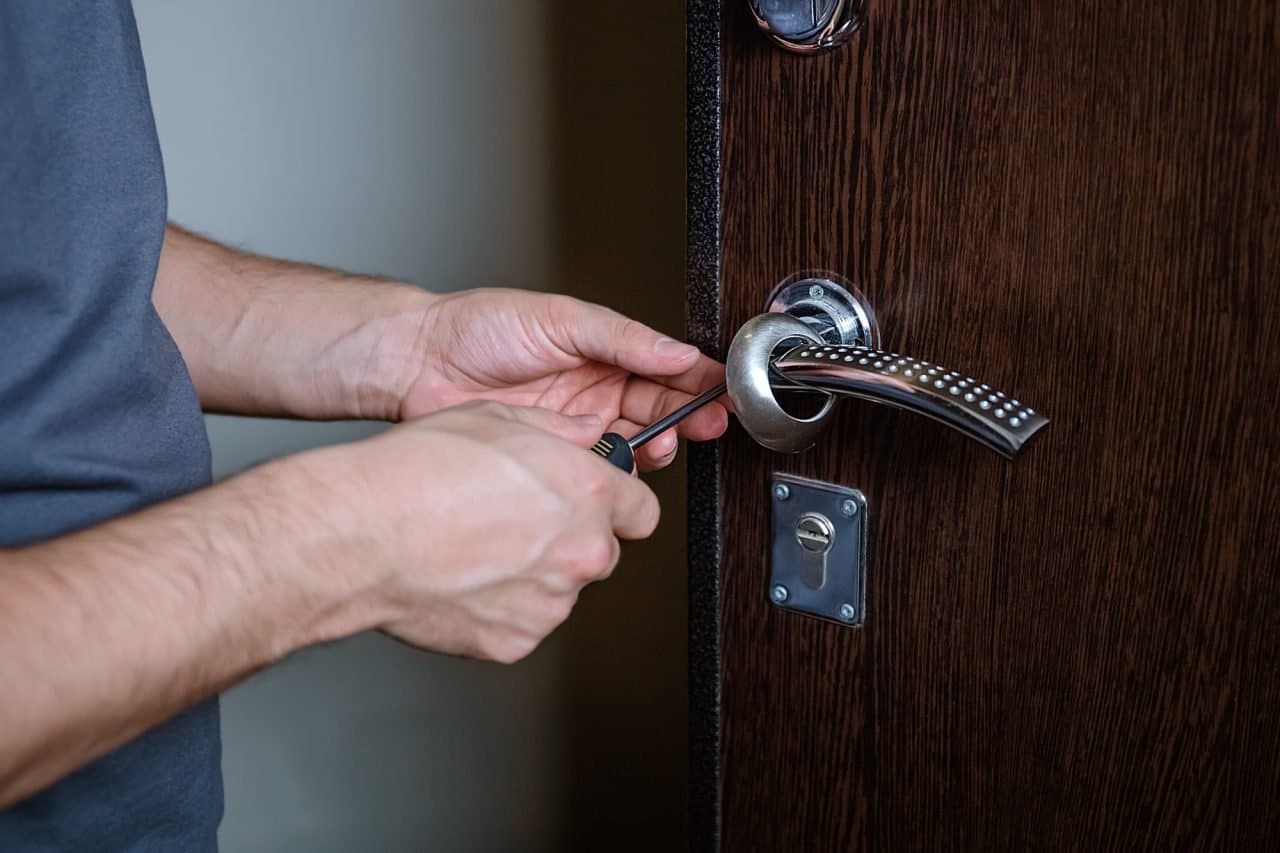
This is where I come in, and it's the step people most often get wrong. If a door was forced, kicked in, or picked, that lock's integrity is compromised even if it still turns and even if you can't see damage. And if the intruder entered without visible force—through an unlocked door, a hidden key, or a lock they'd copied a key for at some point—you have to assume they can get back in.
The rule I give every client: any lock the intruder touched, forced, or may hold a key to gets replaced or rekeyed. Never reused as-is. For a forced or damaged deadbolt, that usually means full lock installation with new hardware. For locks that are intact but where key control is in question—an old lock, a lost key, a lock from a previous tenant or owner—a same-day rekey resets the pins so every old key stops working, without the cost of new hardware. I'll walk your whole property with you and tell you honestly which doors need which fix.
While I'm there, I also check every point of forced or attempted entry: door frames, strike plates, and window locks. A cracked frame or a stripped strike plate is often the real reason the door gave way, not a weak lock, and reinforcing it now prevents a repeat.
This isn't a job to put off. If your home was just broken into, you need someone out the same day—this is exactly what emergency locksmith service exists for, day or night.
5. Consider an Upgrade Once You're Secure
Once the immediate damage is fixed, it's worth thinking about hardening the home further: a Grade 1 deadbolt if you had a weaker one, or a smart lock so you can control and monitor access remotely without worrying about who has a physical key. You don't need to decide any of this the same day—get the doors secure first, then think about upgrades on your own timeline.
I've done this walkthrough with homeowners all over the city, including families in Dorchester rebuilding their sense of security after a break-in. It's a hard night, but the fix is straightforward once you know the order to do things in.
City Locksmith 24/7 is a Commonwealth-registered business with 15+ years securing homes across Greater Boston. Learn more about how we work, or call (617) 383-7290—we answer 24/7, and we can be at your door fast when you need us most.